
Healthcare 2018: Breathe and Meditate
Unless you have been actively involved in the mad, mad world of healthcare in the United States over the past
Healthcare 2018: Breathe and Meditate Read More »
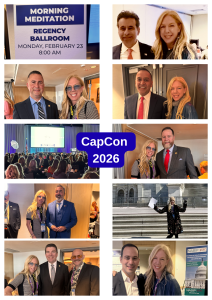
Yes, it’s been a month since the NABIP Capitol Conference (#CapCon2026) in Washington, D.C., and the energy from those advocacy days is still very much alive. This year has been a mix of emotions, as part of our volunteering involves serving others, which sometimes means having difficult conversations that require heartfelt discussions. Blending mindfulness, especially LOVE, with practical solutions has always been at the heart of my team’s and my work. This event was a powerful platform for speaking up on behalf of insurance agents, brokers, employers, HR professionals, individuals, and Medicare recipients, especially in a landscape where premiums are rising rapidly, and the gig economy is expanding. It’s about creating changes that help people not just get by but truly flourish, inspiring hope and confidence in the future of healthcare.
Opening the conference with the Morning Meditation session and dance in the Regency Ballroom, sponsored by the wonderful NueSynergy team, was a highlight. As a dedicated yogi, I have experienced long enough how we can move attendees through breathwork and centering practices, connecting from our hearts and helping everyone start the conference grounded and focused, including myself. This has been beyond passion and is helping lower our cost of care, but mainly, we are feeling happier and remember these moments of us joining together – this extra breath! One little extra breath can change it all! – In an industry where burnout is a real challenge, as recent reports highlight, making mindfulness a standard at events builds resilience and sharpens our approach to tough issues.
The opening day was back-to-back with speakers and representatives, but introducing FDA Commissioner Dr. Marty Makary was another special moment. A true leader in our healthcare industry, he offered insights into navigating systemic costs, prescription drug regulatory priorities, and patient access that resonated deeply. Kids’ allergies, women’s health, medications that can save lives, and 360-degree care and health are clearly his unbreakable mission! I had the privilege of sharing a few minutes behind the stage with him. It was so special for me to have the opportunity to remind him how the conversation about incorporating meditation and Ayurvedic practices—focusing on prevention to cut chronic illness expenses—can be particularly relevant…he totally agreed, as – again, just a reminder to us all – ‘FOOD IS MEDICINE’. Exploring how these life-changing practices can influence policy and reduce costs helps you see their practical impact on healthcare reform and advocacy efforts. Marty is making a radical difference in U.S. care, medicine, and health!
Each year, the conference anchors itself on Capitol Hill, where influential representatives such as Ro Khanna, Raja Krishnamoorthi, Brian Fitzpatrick, Adrian Smith, Sean Casten, Dusty Johnson, and Jimmy Gomez discuss vital issues. Congressman Tom Suozzi (D-NY-03) articulates strong bipartisan policy solutions to stabilize Medicare and the ACA marketplaces. These discussions are crucial because they shape the future of healthcare policy and directly impact our ability to advocate for meaningful reforms. Understanding how these conversations influence legislation can motivate you to stay engaged and support ongoing advocacy efforts.
During a high-impact breakfast gathering, key representatives engaged in frank discussions surrounding commission safeguards and pricing transparency. Topics such as stabilizing the ACA and enhancing Medicare protections are at the forefront, particularly for the over 57 million self-employed individuals and gig workers facing rising premiums.
We are driving change with innovative solutions, including personalized plans, expanded HSA options, telehealth, and Ayurvedic preventive strategies. We’re committed to improving access, as evidenced by initiatives such as the Small Business Resiliency Act and ICHRAs.
Congressman Tom Suozzi (D-NY-03) contributed perspectives on bipartisan policy solutions, emphasizing stability in Medicare and ACA marketplaces. John Brooks, Deputy Administrator and Chief Policy Officer at CMS, and Peter Nelson, Deputy Administrator and Director of CCIIO, represented federal oversight and focused on regulatory frameworks that enhance affordability and compliance for employers and individuals. Delaware Insurance Commissioner Trinidad Navarro highlighted state-level innovations in consumer protection and market stability. At the same time, NABIP underscored the vital role of licensed agents and brokers in advocating for equitable, consumer-centered healthcare systems.
Complementing these sessions, a memorable breakfast gathering with key government representatives—including Rep. Ro Khanna (advocate for tech-driven healthcare equity), Rep. Raja Krishnamoorthi (champion of consumer protections against price gouging), Rep. Brian Fitzpatrick (proponent of bipartisan mental health and wellness initiatives), Rep. Adrian Smith (supporter of rural healthcare access and tax incentives), Rep. Sean Casten (focused on climate-resilient health policies and innovation), Rep. Dusty Johnson (backer of small business benefits and affordability), and Rep. Jimmy Gomez (defender of expanded coverage for underserved communities)—fostered candid dialogues on pressing issues like commission safeguards and pricing transparency, reinforcing the conference’s commitment to collaborative progress- phew – we were BUSY!
This year, Bills in discussions:
-S 2355 Patient Price Transparency Act, a bill to amend the Public Health Service Act to provide for hospitals and ensure price transparency.
-HR 5582: Patients deserve a bill to amend the Public Health Service Act to require hospital and insurer price transparency.
-HR 5463 choice arrangement, a bill to amend the Internal Revenue Code of 1986 to provide for the treatment of employer-provided health and reimbursement arrangements that are integrated with individual market coverage and for other purposes.
-HR2082 dash wish act well-being insurance for seniors to be at home act, a bill to amend title II of the Social Security Act to provide for long-term care insurance benefits and for other purposes.
-HR2744 Medicare enrollment protection act of 2025, a bill to amend Part B of title XVII, the Secure Act, to provide for a special enrollment period under Medicare for individuals enrolled in COBRA continuation coverage, and for other purposes
As we navigate and seek solutions together, let’s embrace positivity, especially in a world where we cannot control the outcome. Remember, our energy can make a difference, and we have the power to act and advocate for the future of the healthcare industry, which is NOW!
Unless you have been actively involved in the mad, mad world of healthcare in the United States over the past
Healthcare 2018: Breathe and Meditate Read More »
Health Insurance 2018: What You Need to Know Greeting of gratitude and joy for this upcoming Thanks Giving week-end ~ The
Open Enrollment 2018, Personal Note & Gratitude ~ ♥ Read More »
We’ve all been there. Your client calls in a frenzy demanding to know what medical coverage, if any, he has
What medical coverage your clients have abroad? Read More »
A simple but little-known fact is that most existing health insurance benefits shrink or disappear when travelers cross the U.S.
Why Do Seniors Need Travel Health Insurance? Read More »
{pdf=docs/naamasept17.2.pdf|100%|1170}
Life Insurance – It’s Not The Reason You Think Read More »
Many companies aren’t aware of the full impact that health-related risks can have on their bottom line. When an employee is diagnosed with a serious and complex illness, the associated costs can become a burden on a company. When you factor in misdiagnoses, unnecessary procedures, annual healthcare spending waste, productivity loss and absenteeism, nearly $300 billion is wasted spend by employers.
That’s why companies need to help employees understand their health risks and apply appropriate, proactive health management strategies. Doing so will help workers better able to navigate the complex healthcare system to formulate plans for mitigating their risk and improving their health and financial wellbeing.
Employers should consider these five underused strategies for effective health risk management.
Strategy 1: Screening and preventive care
The foundation of a health risk management strategy should include assessing and monitoring family history and lifestyle-based risk factors, administering and updating immunizations, biometric screening for high blood pressure, cholesterol, blood sugar, BMI and waist circumference, as well as personalized screening for breast, colon and other cancers.
5 strategies that help employers reduce health-related risks and costs Read More »
With a growing number of travelers and expatriates becoming aware of the need for international medical insurance and of the
We Prepare, Protect and Assist World Travelers Read More »
Have you been wondering what the difference is between Open Enrollment and Special Enrollment? Are you unsure as to when
The Difference Between Open Enrollment and Special Enrollment Read More »
{youtube}Sa2GeVePIs4{/youtube}
Happy New Year From Your A+ Team Read More »

(CNN) Lined up one by one behind a glass door, tiny black fuzzy heads peer out at a forbidden Nirvana.
Cat Yoga – Why Yoga and Cats are Good for You Read More »