5 Tips to Build a More Engaging Employee Wellness Program

June is National Employee Wellbeing Month – an opportunity for companies nationwide to implement, evaluate and refine their employee wellness programs. An estimated 70% of employers already offer wellness programs, and 8% more plan to do so during the next year, according to the Society for Human Resource Management.

Employers are investing in wellness programs because these initiatives can support their employees’ desire to improve their health and create a happier, healthier workforce while reducing costs for employees and the company.

Some of these wellness programs give employees wearable devices at no additional charge, helping provide a more accurate and comprehensive summary of the user’s daily activity, sleep patterns and other health markers. Fitness trackers – usually small devices worn around the wrist or clipped onto clothing – give users a snapshot of actual physical activity.

Employers nationwide are expected to incorporate more than 13 million fitness tracking devices into their wellness programs by 2018, according to technology consultancy Endeavors Partners. That’s important, considering a study published in Science & Medicine showed people tend to overestimate how much exercise they get each week by more than 50 minutes, and they underestimate sedentary time by more than two hours. People who use wearable devices are better able to monitor and hold themselves accountable for their physical activity.

5 Tips to Build a More Engaging Employee Wellness Program Read More »

Qualifying Life Events for Special Enrollment

To enroll in coverage outside of Covered California’s open-enrollment period, consumers must experience a “qualifying life event.” Many different types of qualifying life events are described in the chart below. If consumers experience a qualifying life event, they will be allowed to enroll in a Covered California health insurance plan outside of the normal open enrollment period. Most special enrollment periods last 60 days from the date of the qualifying life event.

In most cases, consumers must report changes and select a plan within 60 days of the qualifying life event to purchase a Covered California health insurance plan outside of open enrollment. Medi-Cal is available all year, and no qualifying life event or special enrollment period is required to enroll in Medi-Cal.

Qualifying Life Events for Special Enrollment Read More »

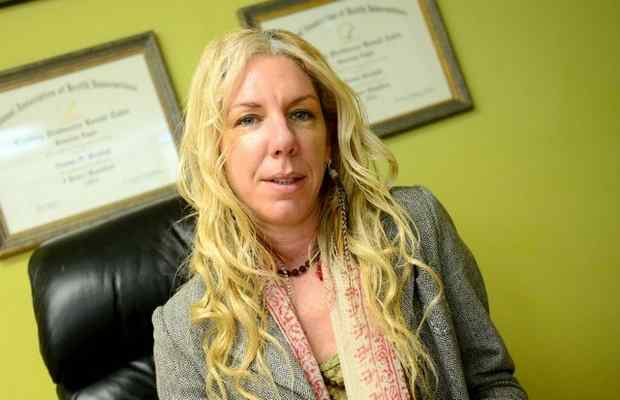
Naama featured in Daily News – Covered California warns uninsured to enroll by Sunday, or face penalties

A steady stream of clients filed into RightPlan on Friday with a mission to accomplish: sign up for a health plan by Sunday or pay a penalty. A big one.

That’s the provision under the Affordable Care Act that brought Caley Carr, a professional tap dancer and teacher, to the Valley Village business.

“The tax penalty is a little bit like the fire that got me moving,” said Carr, 29, as he sat with an agent to discuss his plan options. “I don’t want to pay a penalty again.”

People who receive health coverage from an employer, Medicare or another government program don’t have to worry, but those such as Carr, who are self-employed and who have gone without health insurance, have until Sunday. Those who qualified and went without health insurance in 2015 may have to pay a penalty at tax time, which can go up to $325 per adult and $162.50 per child or 2 percent of the total household taxable income, whichever is higher. That rate will rise to $695 per single filer and 2.5 percent come next tax season. The penalty may go as high as $10,000 for a family of four.


Naama featured in Daily News – Covered California warns uninsured to enroll by Sunday, or face penalties Read More »

Scroll to Top